Home › Industrial and Heavy-Duty Asphalt Paving
Handle heavy loads with confidence using industrial asphalt paving in North Port, FL. We design and build pavements for truck yards, loading docks, warehouses, and equipment areas with proper base depth and asphalt mixes. Our heavy duty solutions resist rutting, fuel spills, and frequent turning movements. Schedule an on site evaluation of your industrial paving needs today.
Precision Asphalt North Port provides professional industrial asphalt paving throughout North Port, FL, Florida and the surrounding area. Our licensed, insured crew delivers safe, clean, on-time work with a free estimate before anything begins. Call (941) 294-3305 or request your free quote.
Industrial Asphalt Paving for Demanding North Port Sites
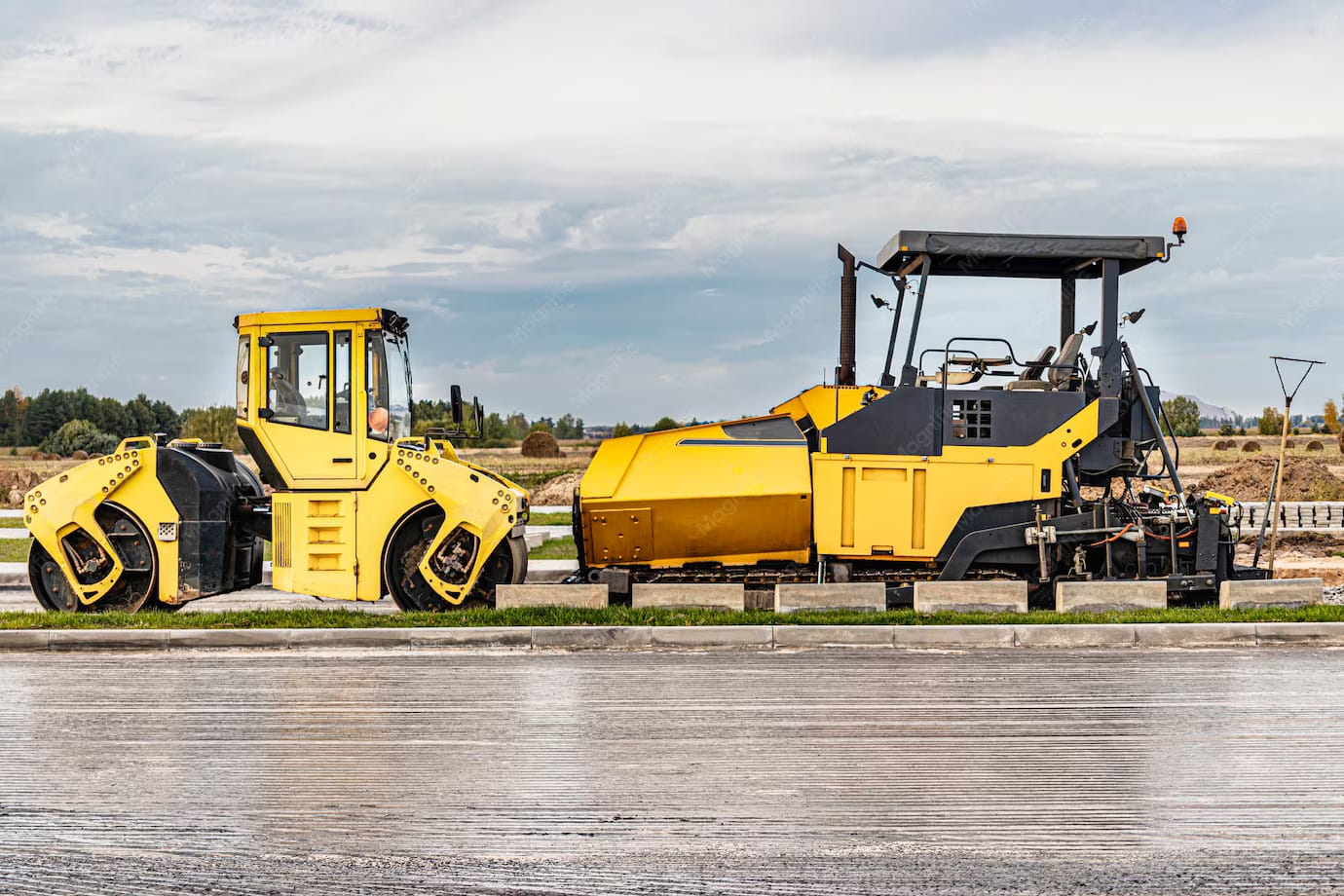
Industrial asphalt paving in North Port has to hold up to more than just cars. At Precision Asphalt North Port, we design and build pavements for semi trucks, container forklifts, heavy equipment, and high-traffic loading areas. That means thicker sections, stronger asphalt mixes, and better base preparation than you would use on a typical driveway or small parking lot.
Most of our industrial work in and around North Port is at distribution yards, manufacturing plants, waste and recycling facilities, warehouse complexes, and large commercial centers with frequent truck deliveries. Many of these sites sit on coastal or low-lying land with a higher water table, so drainage and base stability are just as important as the asphalt itself.
We start by looking at how your site is actually used. Where do trucks turn, queue, and load. Where do lift trucks cross the pavement hundreds of times a day. We map those high-stress paths and design thicker, reinforced asphalt sections for those zones, instead of wasting money over-building the entire property. This targeted approach gives you a surface that lasts longer where it takes the most abuse, while keeping the overall project cost under control.
Because we work locally, we know how North Port’s heat, summer storms, and sandy soils affect asphalt performance. We choose aggregate and binder grades that handle intense sun and heavy rain, and we make sure the base is built to resist rutting and pumping under truck traffic, not just light vehicles.
How We Build Heavy-Duty Pavement That Holds Up
A successful industrial asphalt project comes down to three core elements: subgrade, base, and asphalt. Precision Asphalt North Port follows a step-by-step process that focuses on each layer so the pavement performs under real-world conditions.
First, we evaluate the existing ground and any old pavement. On older industrial sites in North Port, we often find thin asphalt over a weak base or compacted fill from past construction. We test bearing capacity with proof rolling and, when needed, density testing. Soft or pumping areas get undercut and replaced, rather than ignored, because these spots become future potholes and depressions.
Next, we install and compact the base course. For heavy-duty areas we usually recommend a thicker layer of crushed limestone or graded aggregate, mechanically compacted in multiple lifts with heavy rollers. In loading docks or dumpster pads, we may add a stabilized base, such as cement-treated base or asphalt-treated base, to reduce movement and resist deformation from static loads.
For the asphalt itself, industrial sections are typically multi-layer. We place a strong base or binder course first, then a surface course with the right balance of skid resistance and durability. Truck lanes, dumpster approaches, and fuel delivery areas may get significantly thicker asphalt sections than car parking or employee parking areas. Joints are staggered and properly tacked so that seams do not become future crack lines.
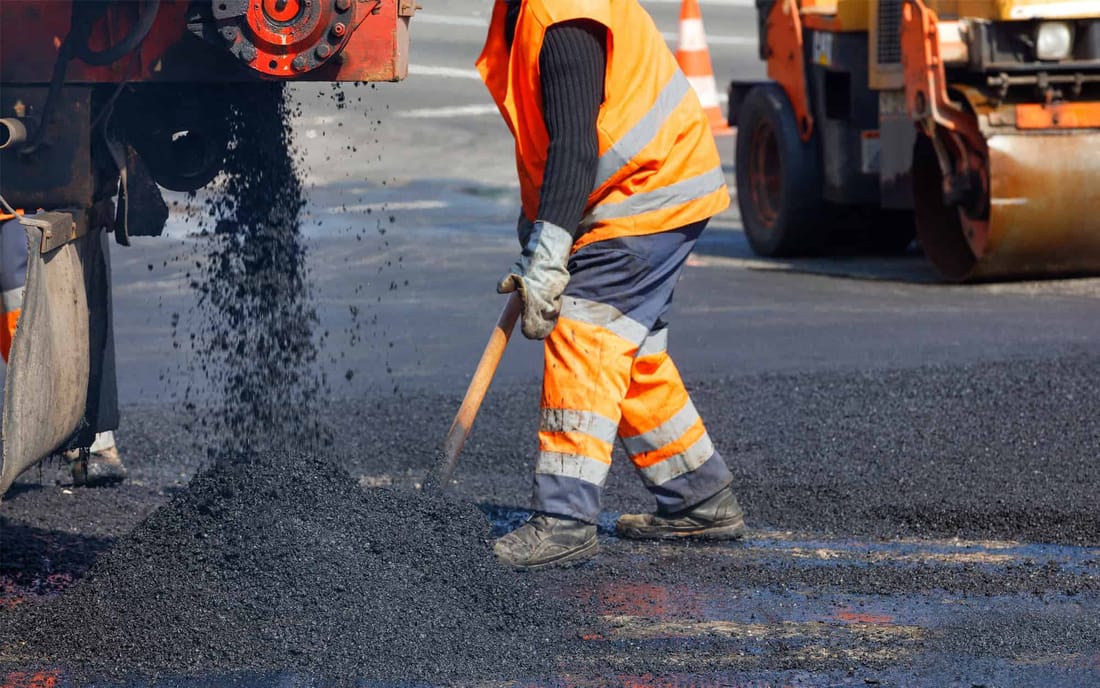
Compaction is where many projects succeed or fail. Our crews use steel drum and pneumatic rollers sized to the job, achieving the target density so the pavement resists rutting and fuel damage. We document rolling patterns and passes on larger industrial projects so that you get verifiable quality, not guesswork.
Design Choices, Mix Types, and What Affects Cost
Industrial asphalt paving is not a one-size-fits-all service. A lot of the cost and long-term performance comes down to design choices that should be made before the first truck shows up. At Precision Asphalt North Port we walk you through those decisions so you understand where your money is going.
Thickness is one of the biggest cost drivers. A truck yard with constant 18-wheeler traffic might need 6 to 8 inches of asphalt over a substantial base, while a light industrial site with occasional deliveries might perform well with less. Instead of quoting a generic thickness, we ask for information about your truck counts, typical loads, and whether equipment like container handlers or forklifts will operate on the pavement.
Mix type also matters. For industrial work we often specify a tighter gradation and stronger binder than you would find in a standard parking lot mix. High-shear areas like tight turn radiuses, loading bays, and fuel island approaches may get a more rut-resistant mix. If your operation has frequent fuel spills or uses solvents, we may recommend specific surface mixes combined with good drainage to minimize standing liquids that can soften asphalt over time.
Subgrade improvements and drainage upgrades are another significant cost item, especially in parts of North Port where soils are sandy or fill is inconsistent. It is usually better to spend money once on proper undercutting, geotextile separation fabric, or a thicker base than to live with ongoing repairs. When we estimate a job, we call out these line items clearly so you can see the tradeoffs between up-front cost and expected service life.
Finally, staging and access can influence price. Keeping part of your operation open during construction may require phasing, temporary access lanes, or night and weekend work. We plan this in advance so your trucks can keep moving while we build or rehabilitate your pavement.
Solving Common Industrial Pavement Problems in North Port
If you already have an industrial asphalt surface in North Port, you may be dealing with rutting, potholes, standing water, or cracking where trucks brake and turn. Precision Asphalt North Port approaches these issues by finding the cause, not just patching the symptoms.
Rutting in truck lanes and at stop points usually means the base or asphalt layer is too thin or too soft for the loads it is carrying. Instead of just placing a skin patch, we often mill out the deformed area, rebuild the base if needed, and install a thicker or stiffer asphalt mix that matches how the area is used. This reduces the chances that the same failure will return next season.
Surface cracking and raveling near loading docks can indicate that the asphalt is aging or that the original mix was not suited for heavy turning loads. In these areas we may recommend milling and overlaying with a more robust industrial mix, possibly over a reinforcing grid, rather than constant crack seal and patch cycles that never fully solve the issue.
Standing water is a frequent complaint on older sites that were built before current stormwater standards. Low spots hold water that accelerates asphalt breakdown and creates slip hazards. Where feasible we correct grades during resurfacing, using milling to create proper cross-slope and tying into existing concrete slabs, trench drains, and inlets. We also pay attention to outlet structures, since a clogged or undersized drain can defeat even a well-graded surface.
Some industrial facilities in North Port also deal with chemical exposure, such as fuel, hydraulic fluids, or processing liquids. While asphalt will not resist every chemical, we can minimize damage by designing drainage to move spills off the pavement, choosing mixes less prone to rapid softening, and recommending sealers or surface treatments where appropriate. When a spill incident does occur, we can cut out and replace affected areas before damage spreads.
Planning, Scheduling, and Working Around Your Operations
Heavy-duty paving projects can disrupt operations if they are not planned carefully. Precision Asphalt North Port is used to working with logistics managers, plant supervisors, and property managers to keep trucks moving while we work.
We start by mapping how your site functions during a typical day: truck entry and exit routes, staging areas, employee parking, and emergency access points. From there, we create a phased paving plan that identifies which areas can be taken offline and when. For many industrial facilities in North Port this means working in segments, such as truck lanes one week, loading dock approaches the next, or scheduling the most critical tie-ins during lower activity periods.
For larger industrial asphalt paving projects we often recommend night or weekend work for high-traffic areas, when that makes sense for your operation and local regulations. This can shorten the overall construction window and reduce conflicts with deliveries and shift changes. We also coordinate with any other contractors on site, such as utility or building contractors, so new asphalt is not cut or damaged shortly after installation.
Communication on site is handled through a single point of contact who keeps you updated on daily progress, any field adjustments, and reopening times for each paved section. We post clear barricades and signage so drivers understand new traffic patterns during the project. Before the job wraps up, we walk the site with you, review the completed work, and discuss maintenance practices like timely crack sealing and striping refresh intervals so you get the longest possible life out of your new industrial pavement.